POWER SYSTEM AND THEIR AND RULES: TOO EXPLOITED?
By Marka Gbane • 3/4/2026

Are most anime power systems overrated?
A perfect example to further throw light on this question would be a look at the MCU.
When Vision lifted Mjolnir, millions were giddy with excitement, but millions more were apprehensive, because the rules had obviously been exploited for loopholes. That warhammer was made for gods. For the supernatural. Most people loved it better when the rules were followed as to who could harness its power.
Likewise, in anime, many systems of power have been twisted out of shape to fit a lot of things— new characters, arcs, plots, you name it. It defeats the entire idea of a system if the lines that define them will be crossed more often than not.
Every anime fan says they love good power systems, but let’s be honest— half the time, that just means flashy animations and louder screaming.
A real power system isn’t about who has the biggest explosion. It’s about structure, consequences and whether the writer respects their own rules. It’s all about pure art, and ardent adherence to the rules. A lot of popular anime don’t, but these ones do.
Therefore, we give you a selection of the most ubiquitous power systems to ever grace the screens of Otaku across the planet.
NEN (HUNTER X HUNTER)
This is uncharted territory. Yes, I said it. Nen is still the gold standard. Created by Yoshihiro Togashi, Nen forces characters to earn strength through restrictions. You want broken power? Fine. Limit it. Add conditions. Risk your life and that's why fights in Hunter x Hunter feel like chess, not fireworks. Every move is calculated to lead to the next, thereby generating a majestic domino effect.
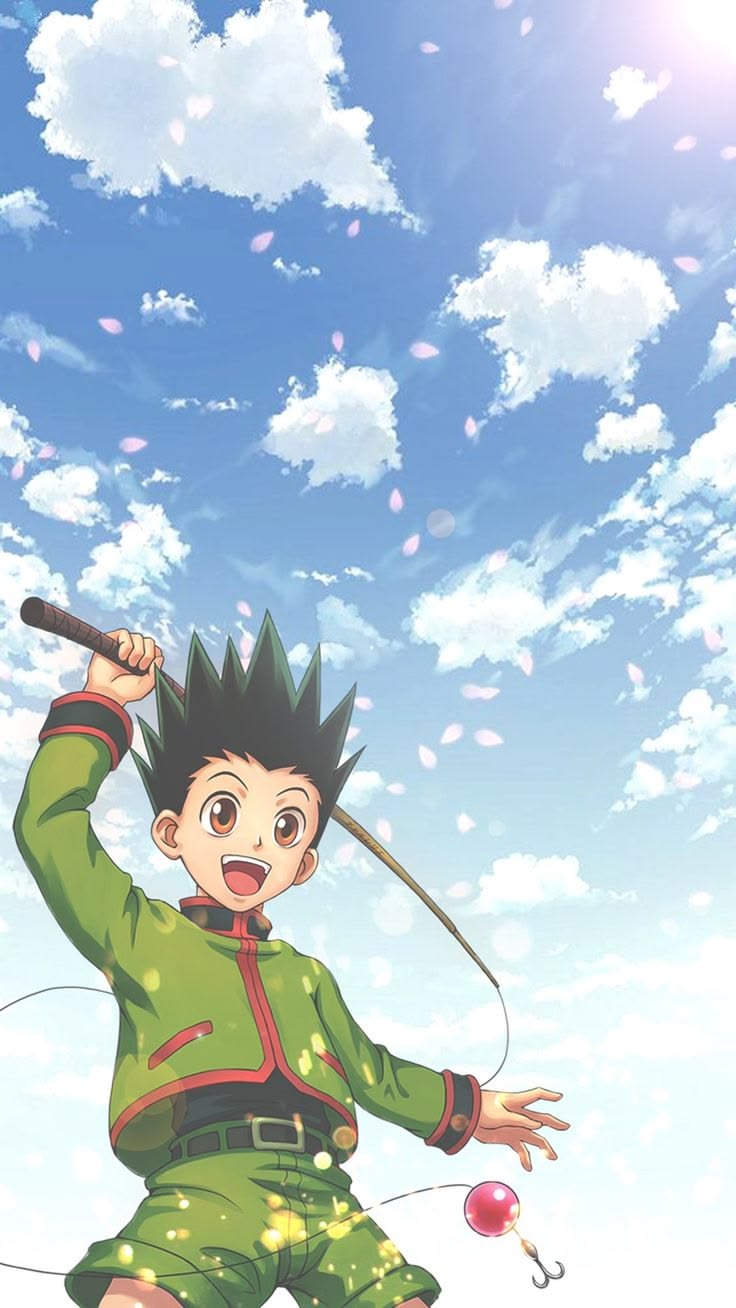
Compare that to a series where someone just awakens a new form because they’re emotional enough. Nen doesn’t reward drama. It rewards intelligence.That’s the difference. Sometimes, the ground has to stay level, and the tenets must be obeyed.
CURSED ENERGY (JUJUTSU KAISEN)
Brilliant power concept, but messy. This would most definitely annoy some people, but hear me out.
Cursed Energy is one of the coolest ideas in modern anime. Power born from negative emotion? That’s raw. That is unadulterated. That’s human. Domain Expansion is one of the hardest concepts introduced to shonen in years. However, we must be realistic sometimes —the explanations get dense. Sometimes it feels like the rules expand as the story needs them to. Bent at will. A few line crosses are understandable, but why define the rules if you’re going to break them for every little reason?
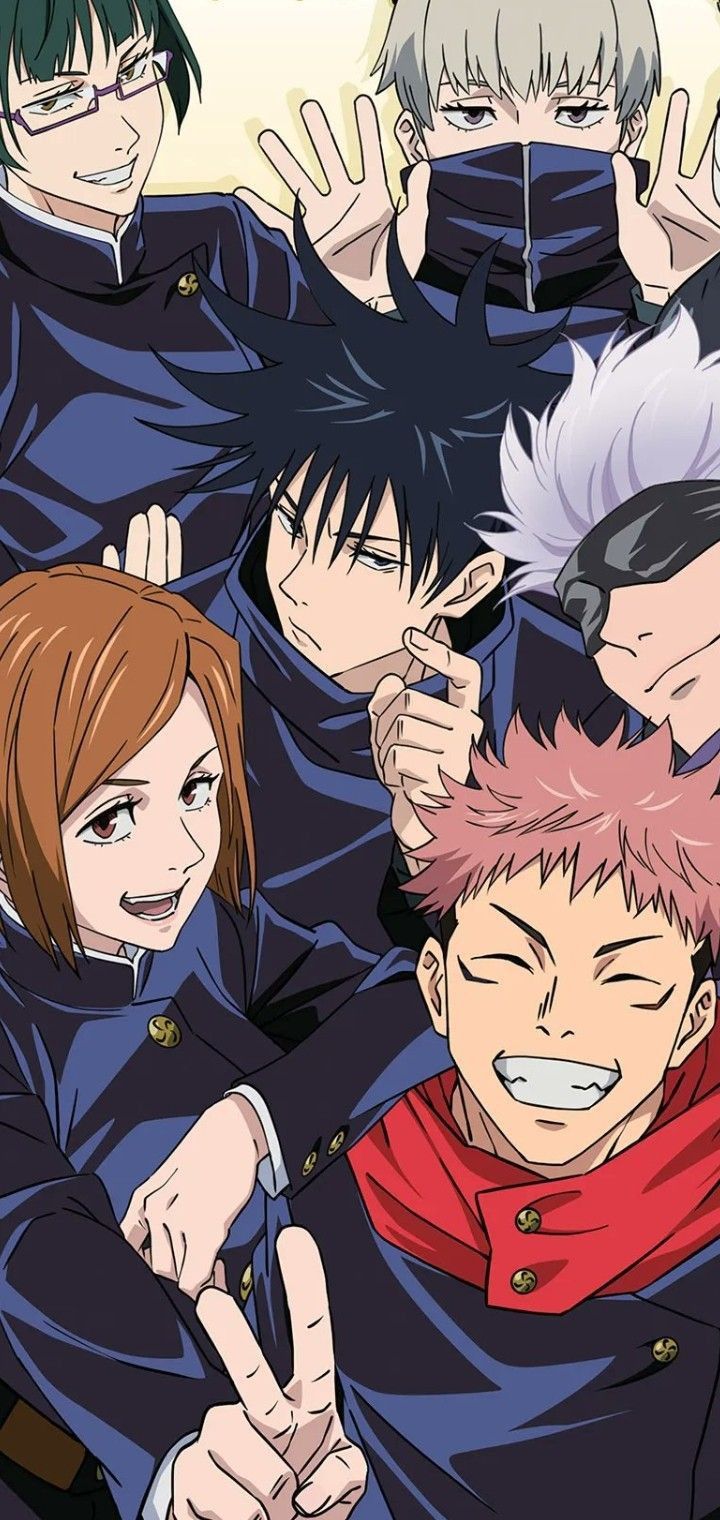
It’s great, but it’s not as airtight as fans pretend. Still elite though, don’t get the opinion wrong, but not flawless as it is presented to be. With a situation like this, plots can be tied up into knots in a snap, because writers may end up contradicting themselves, a proof of how often they’ve rewritten the rules.
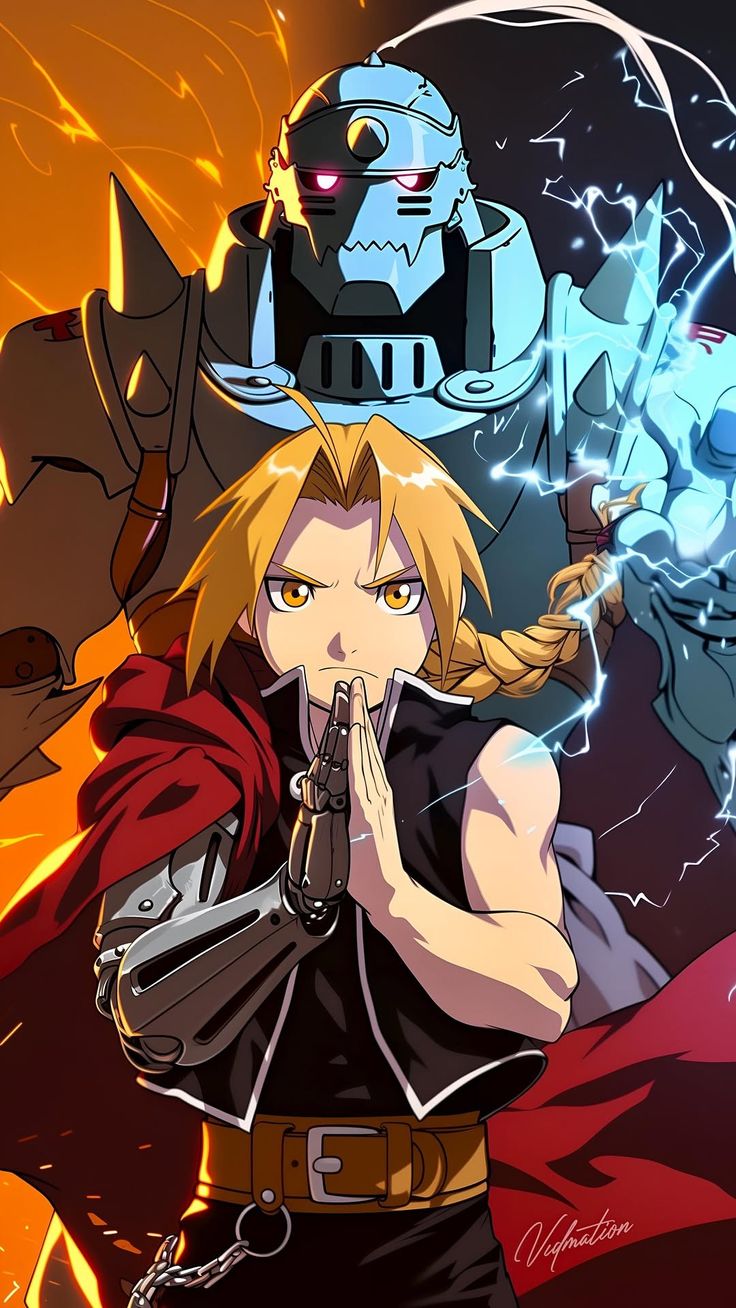
ALCHEMY (FULL METAL ALCHEMIST)
Consequences Done Right. Equivalent Exchange. Simple rules and brutal outcomes.
What makes this system superior to most is that the story never cheats it. When Edward and Alphonse break the rule, the punishment is permanent. They pay in full. No sudden emotional power-up saves them. No plot armor to the rescue. Alchemy works because the author respects the cost and a lot of anime are scared to commit to permanent consequences.
CHAKRA (NARUTO)
This system started off in the best way possible, but went off balance on the back end.
A lot of viewers tend to get defensive, and that’s majorly due to the bias that Naruto gets for being one of the greatest anime shows ever. I mean, who isn’t a Naruto fan?
However, we must leave this down to pure logic and put all the cards on the table.
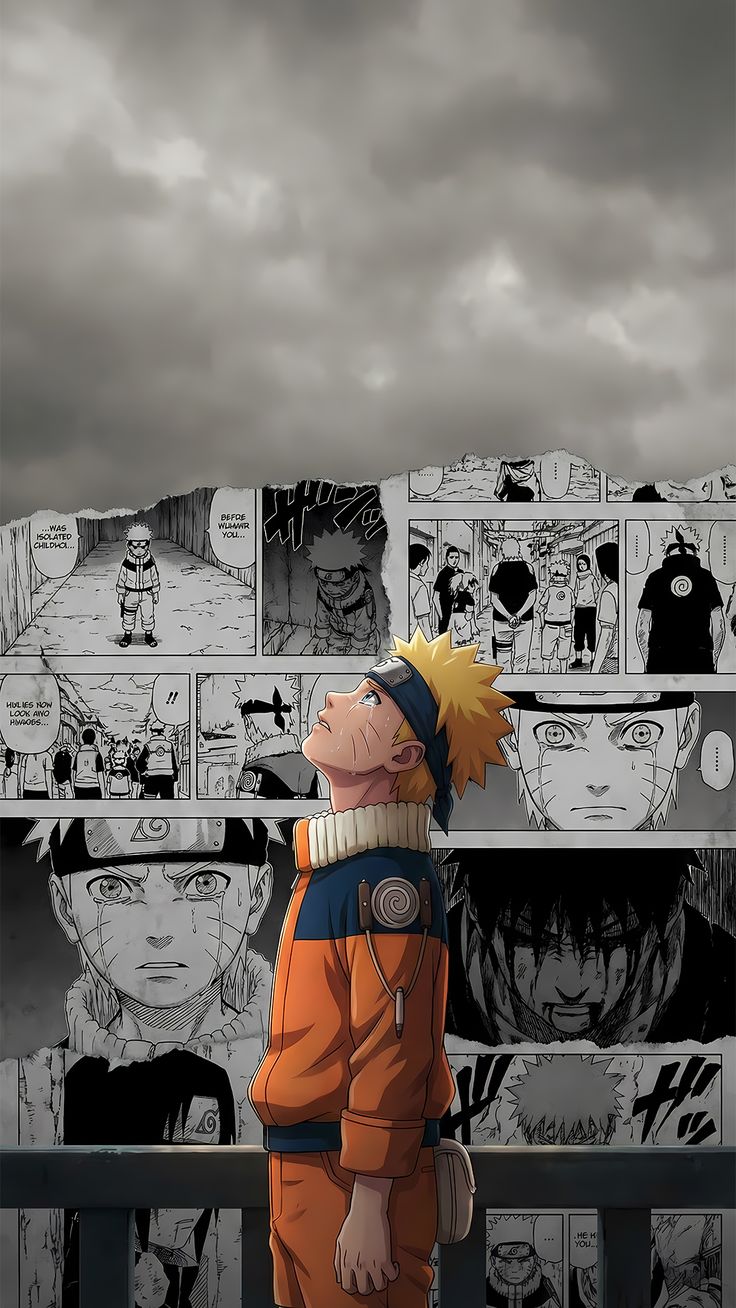
Early Chakra? Fantastic. Phenomenal, even. Limited reserves. Tactical fights. Smart counters. Hand signs that mattered.
Later? Bloodline lottery. Power cliffs. Scaling that left strategy behind.
Naruto’s system wasn’t bad. It just outgrew its own balance and we don’t talk about that enough.
DEVIL FRUITS AND HAKI (ONE PIECE)
Even with the insane creativity of this concept, it is still not perfect.
Devil Fruits are genius when it comes to systematic functionality.
Random abilities with clear weaknesses. You can’t swim. Sea stone exists. Strategy matters.

Then Haki comes in to balance everything, but here’s the uncomfortable truth: Haki sometimes flattens fights into who has stronger willpower. Willpower is an important driving force to victory, but sheer power and ability is the baseline of it all, and it must be prioritized.
It saves the scaling issue, but it also simplifies matchups. Still one of the most creative systems ever built. Just not as flawless as people hype it to be.
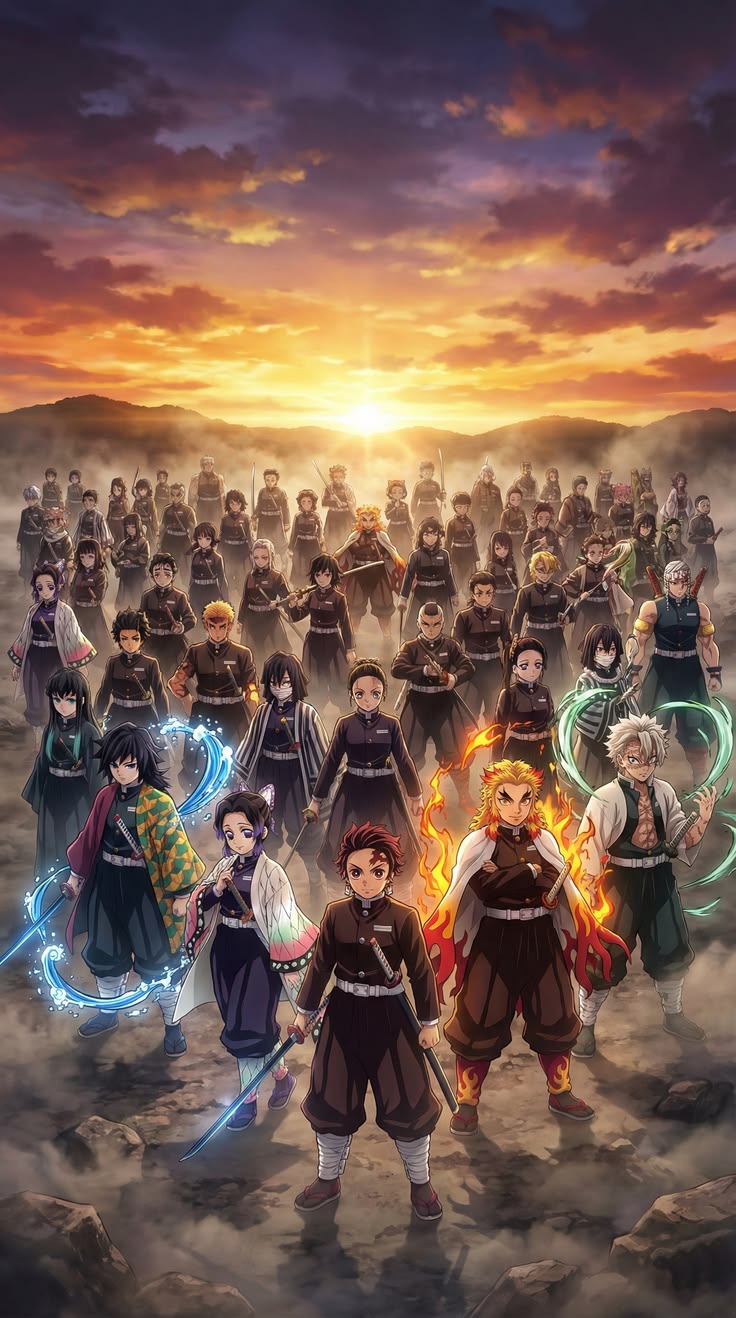
BREATHING STYLES (DEMON SLAYER: KIMETSU NO YAIBA)
This is a classic case of Simple carries Hard.
Plainly put, Breathing Styles are relatively simple. Almost too simple and that’s why they work. No over explaining. No twenty layer mechanics. Just training, discipline, and physical limits.
The emotional storytelling does the heavy lifting. It’s not the most complex system ever made but it doesn’t need to be, because it triggers the appeal and delivers the satisfaction to fans.
Too many anime treat power like escalation. Bigger villain, bigger form and a bigger blast, but when there’s no cost, there’s no tension.
When rules bend every arc, wins stop feeling earned. Every milestone just feels given. Protagonists slowly lose the right to say “earned”.
The best systems don’t just make characters stronger. They corner them. They force sacrifice. They keep the main guys true to their purpose. They punish arrogance and sometimes? They let characters lose.
That’s why Nen still gets analyzed.
That’s why Alchemy still hurts.
And that’s why fans still argue about scaling years later. Because deep down, we don’t care about power levels. We care about whether the story respects its own rules.
Deep down, no matter how many wins our favorites boast in their records, we’ll never savor them as much as we did from the beginning, because it’s pretty obvious they’re being carried.
Comments
No comments yet. Be the first!